marksmith.dev
My Thoughts
Exploring web development, design patterns, and the future of technology.

OpenAI Codex App: Computer Use, Agents and a Stronger Desktop Workflow
OpenAI’s Codex app is becoming more than a coding assistant: with computer use, cloud workspaces and agentic workflows, it offers a compelling alternative to Claude Desktop for practical AI-powered work.

Anthropic’s Goodwill Problem: Usage Rules, PR and the Cost of Trust
Anthropic has earned real respect for model quality and safety, but stricter usage rules and awkward PR have left some users and developers questioning whether Claude still feels as open and dependable as it once did.
DeepSeek V4 Flash and Pro: Aggressive Pricing Meets Frontier-Scale Context
DeepSeek’s V4 Flash and V4 Pro models bring 1M-token context, thinking modes and extremely aggressive pricing into direct comparison with GPT-5.5 and Claude’s Sonnet and Opus lines.
ChatGPT 5.5: Everyday AI Gets Faster, Leaner and More Efficient
OpenAI’s ChatGPT 5.5 release shows how far practical AI has moved: faster responses, better efficiency, and strong everyday performance even at low reasoning levels.
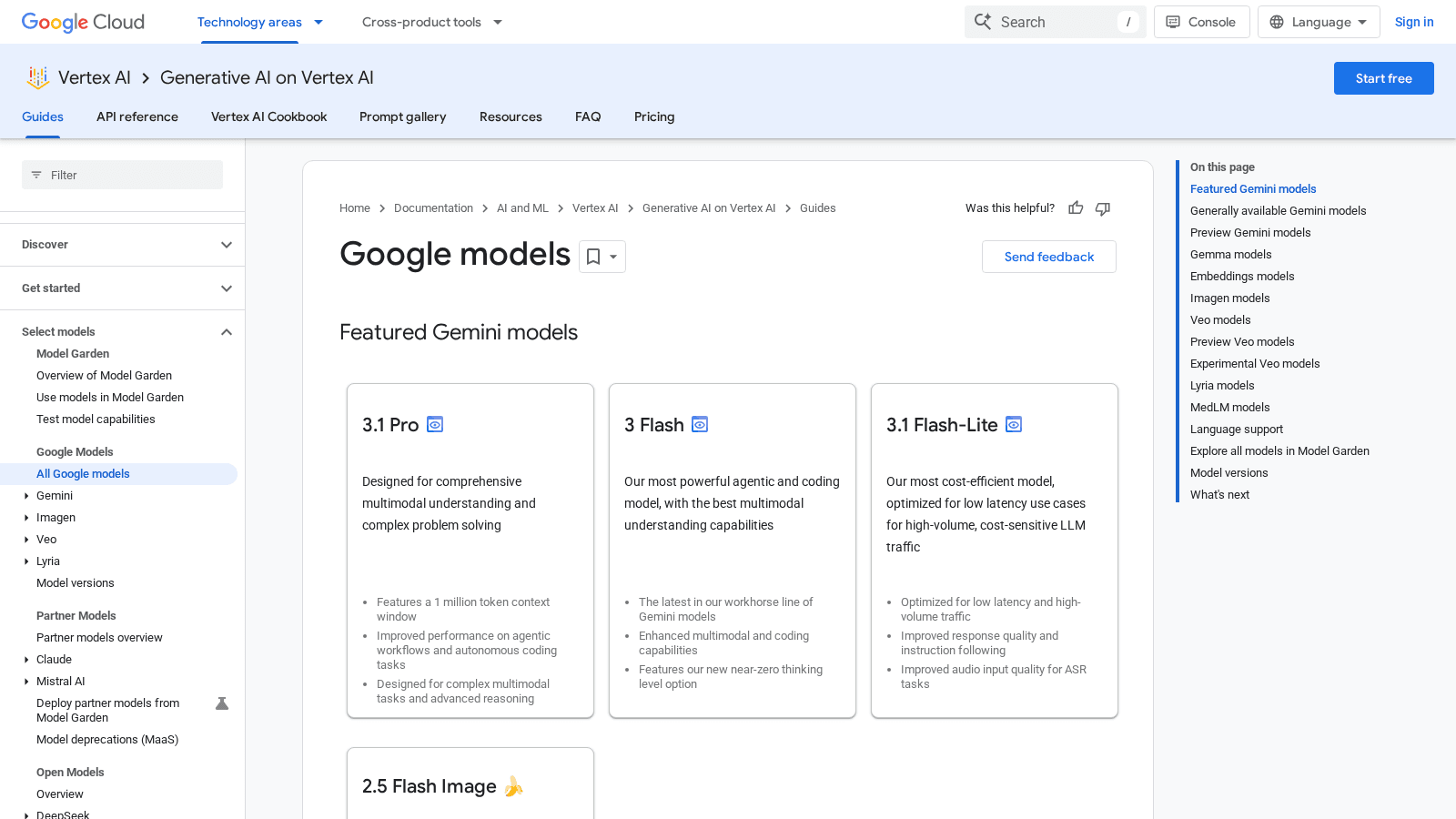
Google Vertex AI & Gemini 3.1: Powerful Models, Fragmented Rollout, Real Trade-Offs
Google's current Vertex AI docs now feature Gemini 3.1 Pro and 3.1 Flash-Lite, while 2.5 models still remain prominent in generally available and pricing guidance. That mix is exactly why the platform feels both powerful and confusing.
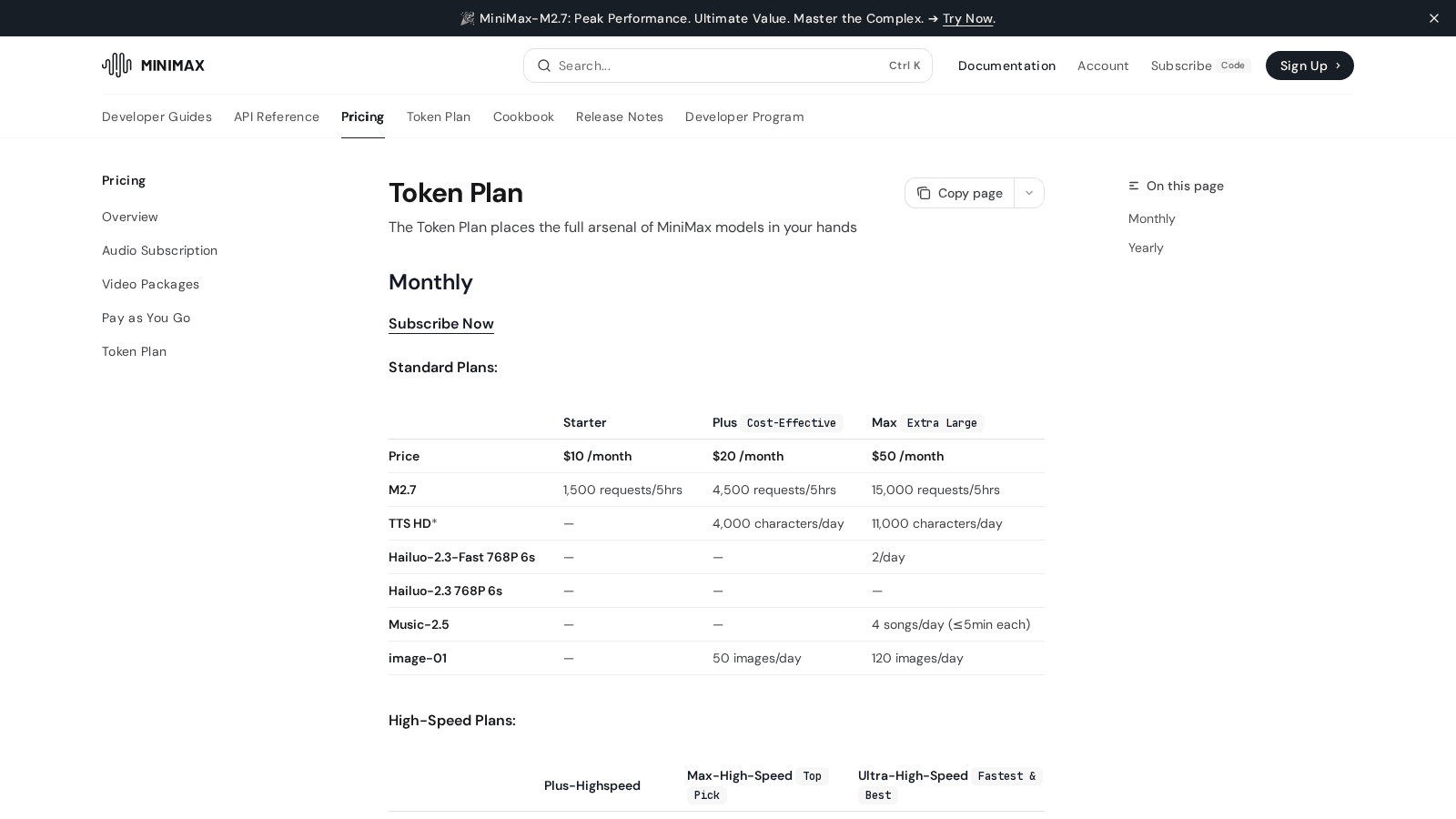
MiniMax M2.7 and the Token Plan: A New Kind of AI Pricing
MiniMax M2.7 pairs a 204,800-token coding and agent model with a Token Plan that bundles text, speech, image, music, and video access under one subscription. The model matters, but the pricing model may be the bigger disruption.
The Coming AI Wave: Claude Mythos Is Real, but OpenAI's Next Step Is Still Unconfirmed
Anthropic has officially announced Claude Mythos Preview and Project Glasswing. OpenAI has officially announced GPT-5.4 and continued Sora activity. What is not publicly confirmed by OpenAI is the rumor-heavy "GPT-5.5 Spud" story, so this article has been corrected to separate verified reality from speculation.

Visual Reading Online: Reading Made Accessible
Visual Reading Online says it can treble reading speed in five weeks while improving comprehension and recall. The platform presents strong headline results for dyslexic adults, students, and professionals, so the key question is how those published claims translate into real-world outcomes.

Claude Code Access Is More Complicated Than "Just a Subscription" — But It Is Not Locked to Anthropic's API
A corrected explanation of how Claude Code access actually works in 2026: which account types are supported, where API billing fits in, and why unsupported community harnesses breaking is not the same thing as Anthropic silently banning all third-party use.
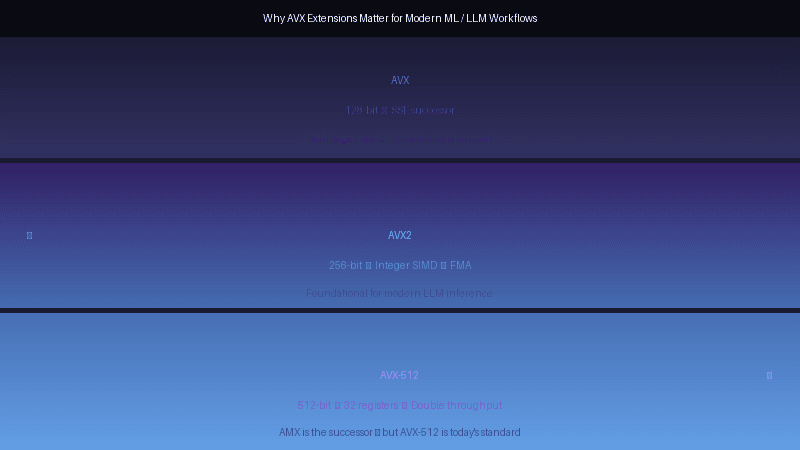
Why Your Old Xeon Is Still Painfully Slow for LLMs — AVX Explained
AVX, AVX2, and AVX-512 are not marketing buzzwords. They are the difference between an LLM that spits out text in real time and one that sits there grinding through a single prompt for minutes. Here is why your older hardware is holding you back, even if you bolted a modern GPU onto it.

24GB Mac Mini vs 64GB HP Z620
I have two machines on my desk that could not be more different. The M4 Mac Mini is a silver sip of coffee from Apple. The HP Z620 is a tower workstation that hums under my monitor. Here is how they compare as a daily driver and a development workstation.

How I Save Thousands Running My Own Cloud Instead of AWS
I do not think cloud is bad. I think it is often overpriced for steady workloads. As of April 8, 2026, three always-on AWS instances that roughly cover my web, app, and database baseline add up to about $805/month before storage, balancing, backups, and internet transfer. For stable workloads, that is exactly why I still prefer fixed-cost self-hosting.